AR
AR
 English
 Urdu
Urdu
 Hindi
Hindi
 Bengali
 Indonesian
 Filipino
 Nepali
 中文
中文
What Is the Saudi Building Code (SBC)? Sections, Mandatory Dates, and Fines — Explained for the Owner
What is the Saudi Building Code (SBC)? 9 sections from general to residential, the phased mandate rolled out since 1440H, and fines up to SAR 1 million plus occupancy denial — with construction materials catalog figures as of Sep 18, 2026.

Short answer: The Saudi Building Code (SBC) is Saudi Arabia's unified building reference, issued as numbered volumes: 201 General, 301 Structural, 401 Electrical, 501 Mechanical, 601 Energy, 701 Plumbing, 801 Fire, 901 Existing, 1101 Residential. It phased in from 1440H to 1444H by building type. A serious violation can draw a fine up to SAR 1 million and a denied occupancy certificate.
What are the nine core sections of the code?
Per the official list published by the Saudi Building Code National Committee (reviewed Sep 18, 2026):
| Number | Official name | What it actually covers |
| SBC 201 | General Building Code | Administrative requirements and building classification shared across every other section |
| SBC 301 (through 313) | Structural codes | Loads, seismic and wind design, soil and foundations, concrete, masonry/block construction, steel, timber |
| SBC 401 | Electrical Code | Wiring, breakers, grounding, and electrical protection systems |
| SBC 501 | Mechanical Code | HVAC and ductwork |
| SBC 601 (and 602 for residential) | Energy Conservation | Building envelope insulation, HVAC and lighting efficiency |
| SBC 701 (and 702) | Plumbing Code | Pipe sizing, drainage, water heaters, backflow prevention |
| SBC 801 | Fire Protection Code | Early warning, suppression, emergency egress |
| SBC 901 | Existing Buildings Code | Requirements for renovating, altering, or expanding a building that's already standing |
| SBC 1101 (and 1102) | Residential Buildings Code | One- and two-story houses and villas |
Beyond these nine, a handful of more specialized volumes exist (Historic Buildings SBC 902, Green Construction SBC 1001, Fuel Gas SBC 1201, Swimming Pools & Spas SBC 1401) that don't directly concern most material buyers.
When did the code become mandatory? Five phases from 1440H to 1444H
Enforcement wasn't a single switch-flip. Under the Saudi Building Code Application System and its executive regulation (Ministry of Municipal, Rural Affairs and Housing), the mandate rolled out in five phases, by building type:
- Phase 1 (through the end of Dhul Hijjah 1440H, roughly August 2019): government administrative buildings, towers over 23 meters, hospitals, hotels.
- Phase 2 (through the end of 1441H, roughly August 2020): adds assembly buildings (mosques and sports facilities), educational buildings, shopping malls, telecom towers, industrial buildings, buildings under 23 meters, and high-hazard buildings.
- Phase 3 (through the end of 1442H, roughly August 2021): adds wedding halls, cinemas, theaters, healthcare centers, serviced apartments/hotel suites, hostels, residential buildings, and entertainment/leisure facilities.
- Phase 4 (through the end of 1443H, roughly July 2022): adds business occupancy buildings (airports, banks, TV stations, post offices).
- Phase 5 (through the end of 1444H, roughly July 2023): the code applies to every building type it classifies, with no exceptions left.
The practical takeaway: a standalone villa or house permitted after Phase 3 (1442H) is presumed to already fall under the code. After Phase 5, no building type is exempt.
Fines and occupancy denial: how does enforcement actually work?
Under the Saudi Building Code Violations Classification Regulation issued by the code's National Committee:
- Every violation is classified as hazardous or non-hazardous, and ruled on by the "Committee for Reviewing Saudi Building Code Violations" after a municipal inspector flags it.
- Individual violation fines in the official schedule range from SAR 750 to SAR 40,000 depending on the violation type (non-compliant design, uncertified materials, execution that doesn't meet the referenced standard, and so on).
- The maximum fine for a single violation in a single building is capped at SAR 1 million for the most severe violation categories (such as non-compliant structural design), and capped at SAR 500,000 for other categories in the same schedule.
- Who pays isn't fixed — it depends on the violation type: it can fall on the engineering office (designer or supervisor), the executing contractor, or the owner directly.
- The occupancy certificate is only issued after the municipal authority verifies the building complies with the code (Articles 17-18 of the application system). If that verification fails, the certificate application is officially rejected — which, in practice, blocks legal occupancy of the building until the violation is corrected.
Where does this show up in what you actually buy?
Almadah's construction materials category carries thousands of products (data as of Sep 18, 2026), with a median price of SAR 80.94 and a range of SAR 0.10 to SAR 38,105.08, VAT included. What actually sells most sits in finishing and insulation — both tied directly to the sections above:
- Premium ceramic tile adhesive — SAR 23.00, the best-selling item in this category by units sold.
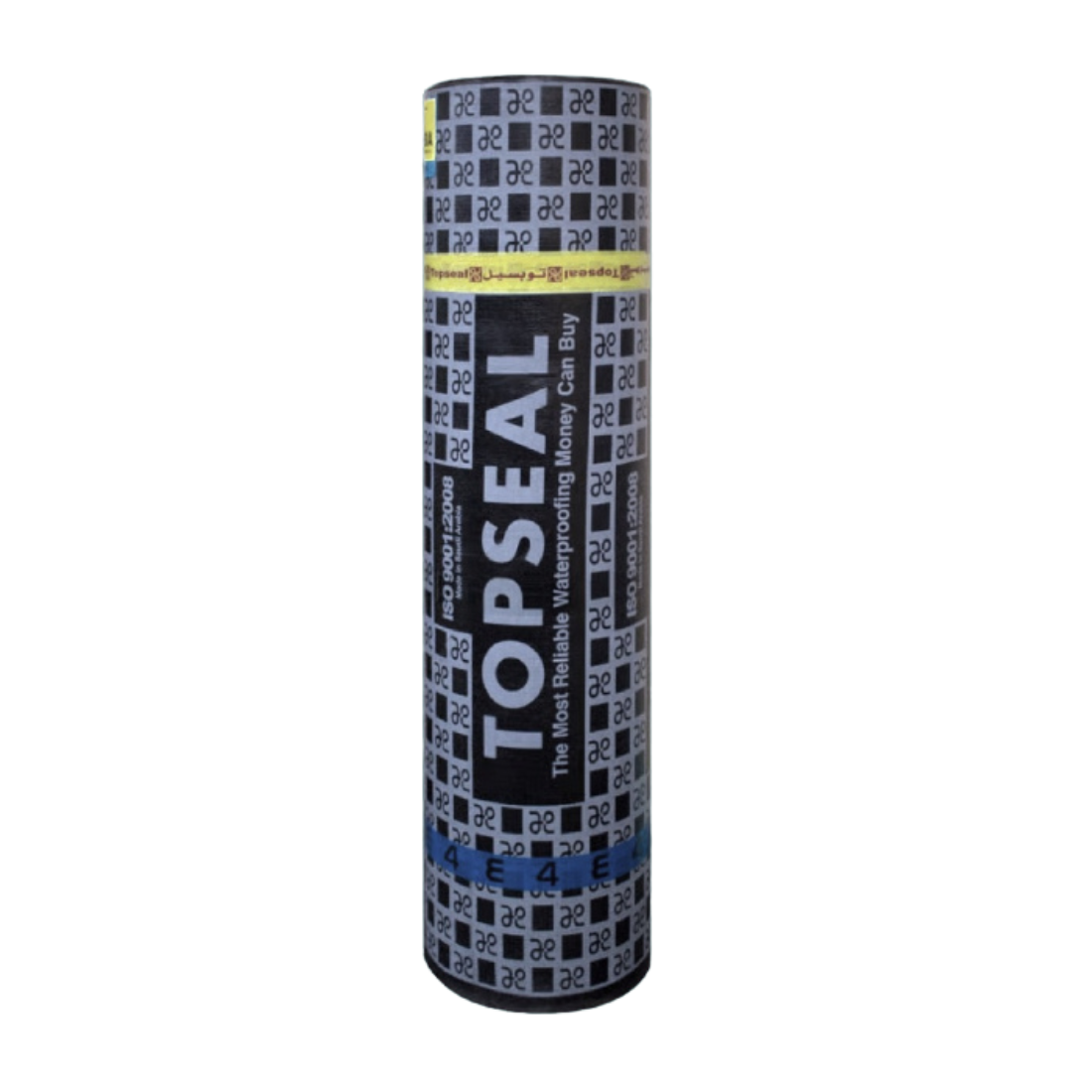
- Bitumat Top Seal 160 — bitumen waterproofing membrane roll, SAR 187.16, the kind of material the Energy Conservation section (601/602) requires for the building envelope.
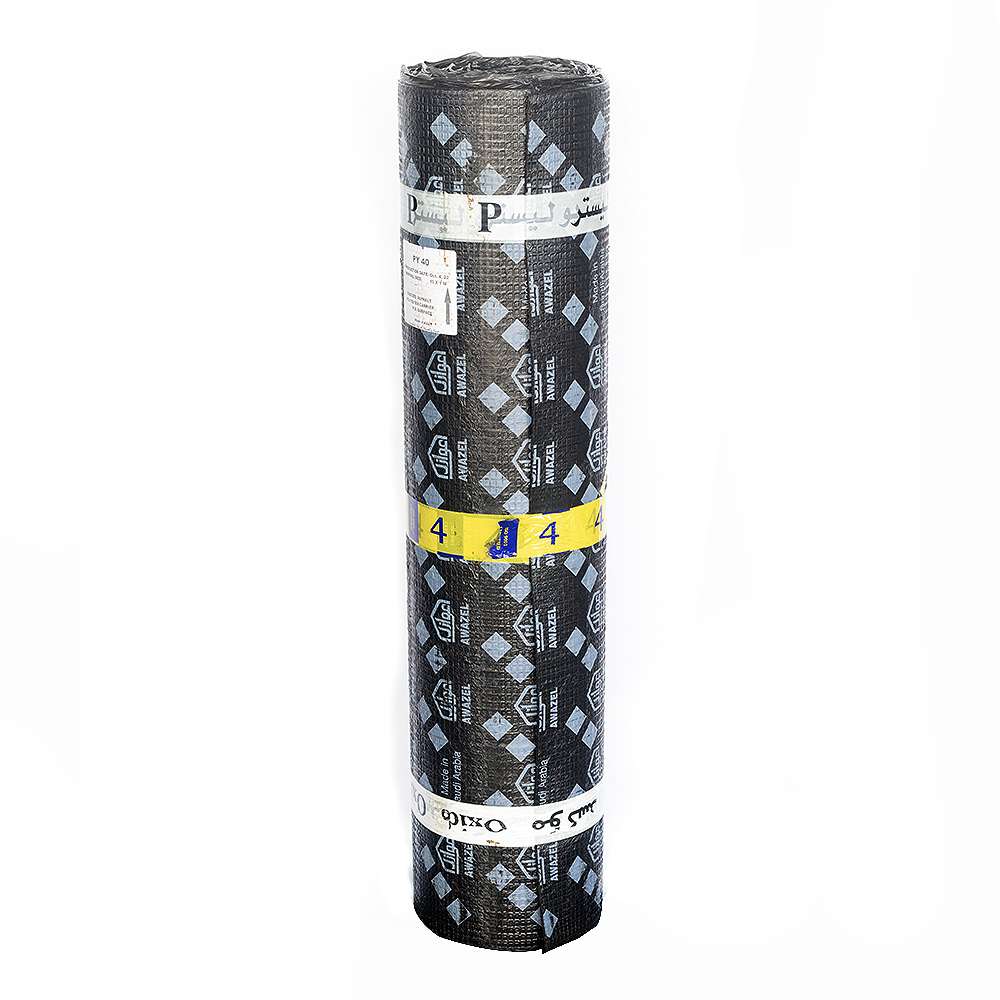
- Awazel DS40M — a similar waterproofing membrane roll, SAR 182.33.
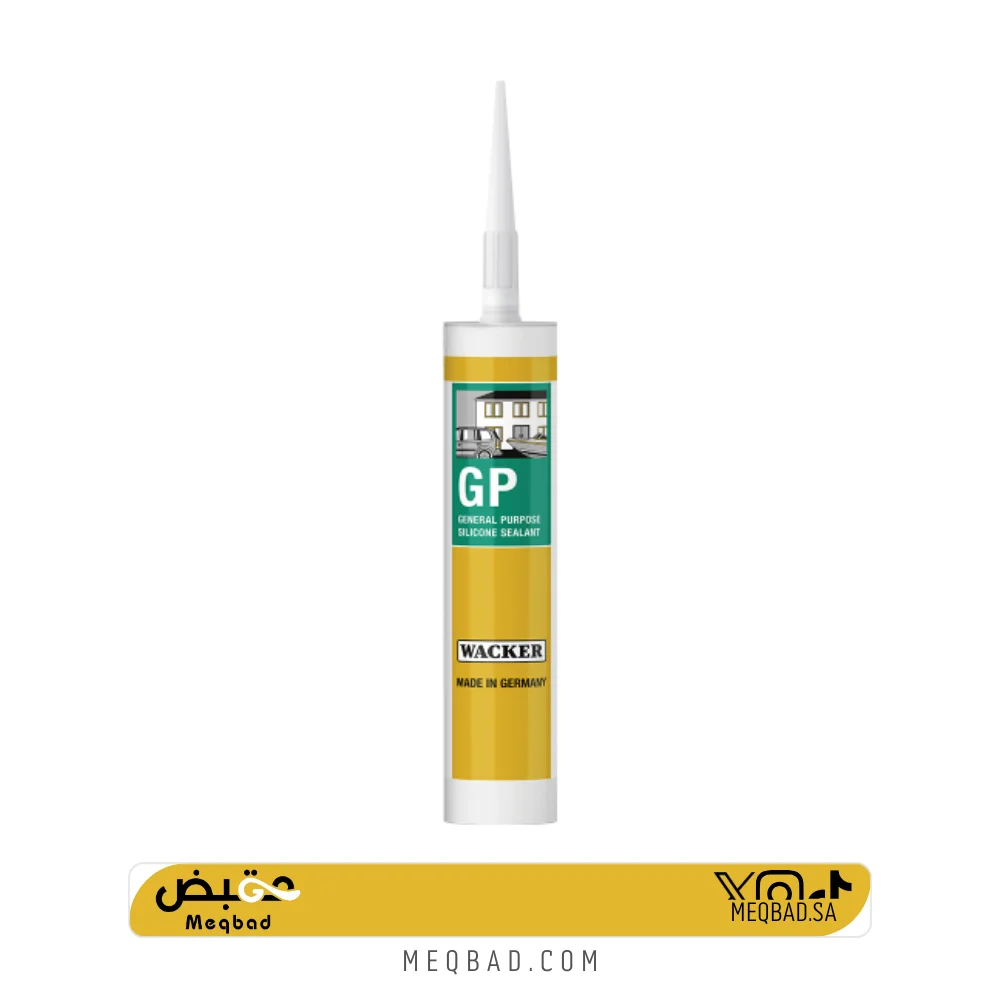
- German Silicone GP White — SAR 15.76, joint sealant and finishing.
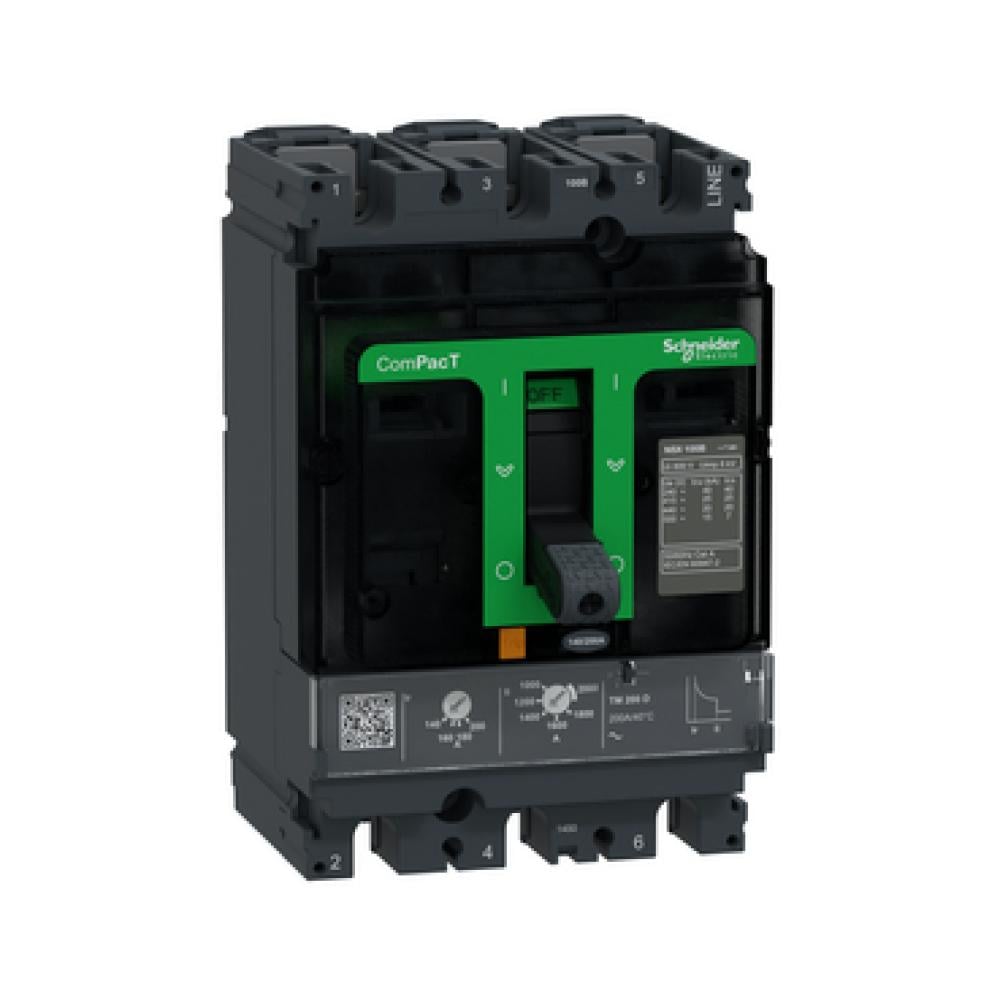
The Electrical section (SBC 401) and the Plumbing section (SBC 701) map to our Electrical & Lighting category (thousands of products) and our Plumbing & Water Systems category (thousands of products) respectively — each gets its own dedicated article later in this cluster.
*All prices are VAT-inclusive (15%), data as of Sep 18, 2026.*
Frequently asked questions
What is the Saudi Building Code (SBC)?
It's the Kingdom's unified national reference setting the minimum requirements for building safety and public health, and it prohibits applying any other code in its place. It's issued by the Saudi Building Code National Committee.
How many sections does the code have, and what makes each one up?
The code is built from 14 main components (administrative, architectural, structural, electrical, mechanical, energy conservation, plumbing and water conservation, fire protection, seismic resistance, existing and historic buildings, green buildings, residential buildings, referenced standards, and any other requirements the committee issues), published as numbered volumes — the nine most relevant ones are in the table above.
When did the Saudi Building Code become mandatory?
In five phases from 1440H to 1444H, by building type — starting with government buildings, towers, hospitals, and hotels, reaching residential buildings in Phase 3 (1442H), and covering every classified building type by the end of Phase 5 (1444H).
Is the code mandatory now for an ordinary residential villa?
Yes, in principle. Residential buildings entered the mandate in Phase 3 (1442H), so any building permitted after that date is presumed to fall under the Residential Buildings section (SBC 1101/1102) and the related structural, electrical, and plumbing sections.
How much is the fine for violating the building code?
It varies by violation type and severity — from relatively small amounts (SAR 750–40,000) for specific violations in the official schedule, up to a hard cap of SAR 1 million per violation, per building, for the most severe categories, and a SAR 500,000 cap for other categories.
Can the occupancy certificate be denied for non-compliance with the code?
Yes. The application system requires the municipal authority to verify code compliance before issuing an occupancy certificate. If that verification fails, the certificate application is officially rejected — which blocks legal occupancy until the violation is fixed.
Who is responsible for code compliance — the owner, the contractor, or the engineering office?
It depends on the violation type; there's no single fixed party. The official penalty schedule assigns the fine to the engineering office for non-compliant design or supervision, to the contractor for execution that doesn't meet spec, or directly to the owner in other cases.
Where can I find the detail for each section of the code and its exact materials?
This article is an introduction to the sections, the mandate, and the fines. Section-by-section detail — electrical, plumbing, energy conservation, structural, fire, residential — linking directly to products in the relevant categories, follows in dedicated articles in this cluster.
Related
- The Saudi Building Code for Owners and Contractors: What Each Section Means for the Materials You Buy — reference hub
- Construction materials category — thousands of products
- Electrical & Lighting — thousands of products
- Plumbing & Water Systems — thousands of products