Standard Drill, Hammer Drill (Impact) or SDS Rotary Hammer? Choosing for Saudi Block and Concrete Walls
Which drill for block and reinforced concrete walls? A table matching wall type to drill type and bit (standard, impact, SDS-Plus, SDS-Max), plus median prices from Almadah's catalog (VAT-inclusive, 12/11/2026).
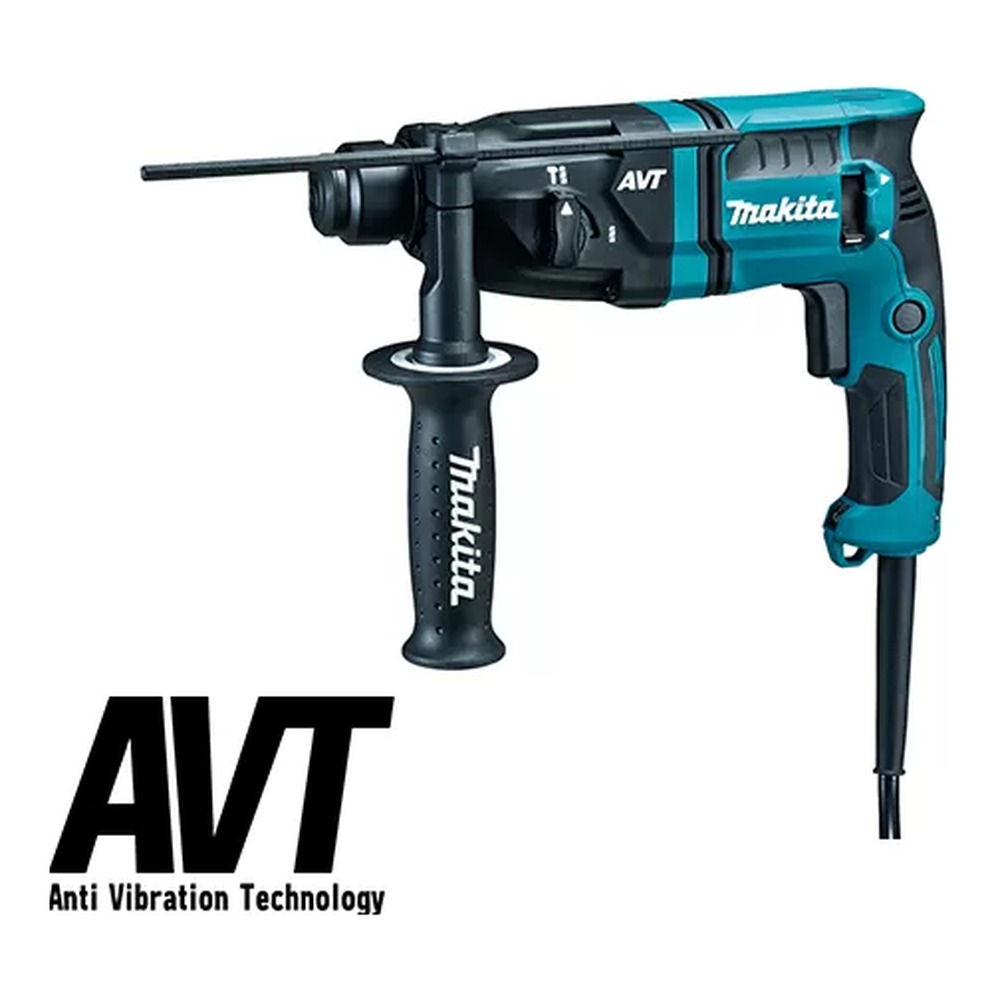
Short answer: A standard drill suits wood, metal, and drywall. A hammer (impact) drill suits brick and light hollow block. An SDS rotary hammer, which Saudi tradesmen call a "Hilti", is for solid block, concrete, and reinforced concrete. Median prices in Almadah's catalog, VAT included (12/11/2026): about SAR 193 for standard, SAR 274 for hammer drills, SAR 859.50 for SDS machines.
Which drill and which bit suit each wall type?
| Wall or material | Drill type | Bit type |
| Wood, plasterboard, plastic | Standard drill (rotation only) | Wood or HSS bit |
| Steel and aluminum | Standard drill with variable speed | HSS bit |
| Red brick and light hollow block | Hammer (impact) drill | Masonry bit with carbide tip, straight shank |
| Solid cement block, plain concrete slabs and columns | SDS-Plus (or a strong hammer drill for a few holes) | SDS-Plus bit with carbide tip |
| Reinforced concrete (with rebar) | SDS-Plus for medium holes, SDS-Max for large and heavy work | Four-cutter SDS bit made for reinforced concrete |
| Breaking, chasing, and large openings | SDS-Max hammer or demolition hammer | SDS-Max chisel |
The table is a general selection guide. When in doubt, check the tool's maximum concrete drilling capacity on its box, and match the bit to the chuck system (straight shank, SDS-Plus, or SDS-Max).
How do a standard drill, hammer drill, and SDS rotary hammer actually differ?
- A standard drill only spins the bit. It cuts wood and metal smoothly, but struggles in masonry and overheats quickly in block.
- A hammer (impact) drill adds a light mechanical hammering action from two ratcheting gears, which helps in brick and hollow block. The blow is weak, and it keeps a standard chuck that holds a straight-shank bit.
- An SDS drill (rotary hammer) produces the blow with an internal air-driven piston, and its chuck holds the bit in the SDS system that lets the bit slide freely back and forth. That is why it drills concrete faster with far less pressure from the operator. It comes in two common systems: SDS-Plus for medium work, SDS-Max for heavy work and demolition.
"Hilti" has become the everyday Saudi word for any SDS drill, though it is really a company name. In the catalog, SDS machines from several brands carry that colloquial name in their titles.
Is a hammer drill enough for block and concrete walls?
It is enough for hollow block, brick, and a few small holes (a hook, a screw, a plastic plug). Solid block and reinforced concrete need SDS: a hammer drill slows to a crawl, overheats the bit, strains the motor, and can stall completely when it meets a hard aggregate stone or rebar. For many holes in concrete slabs and columns, SDS-Plus is the practical choice.
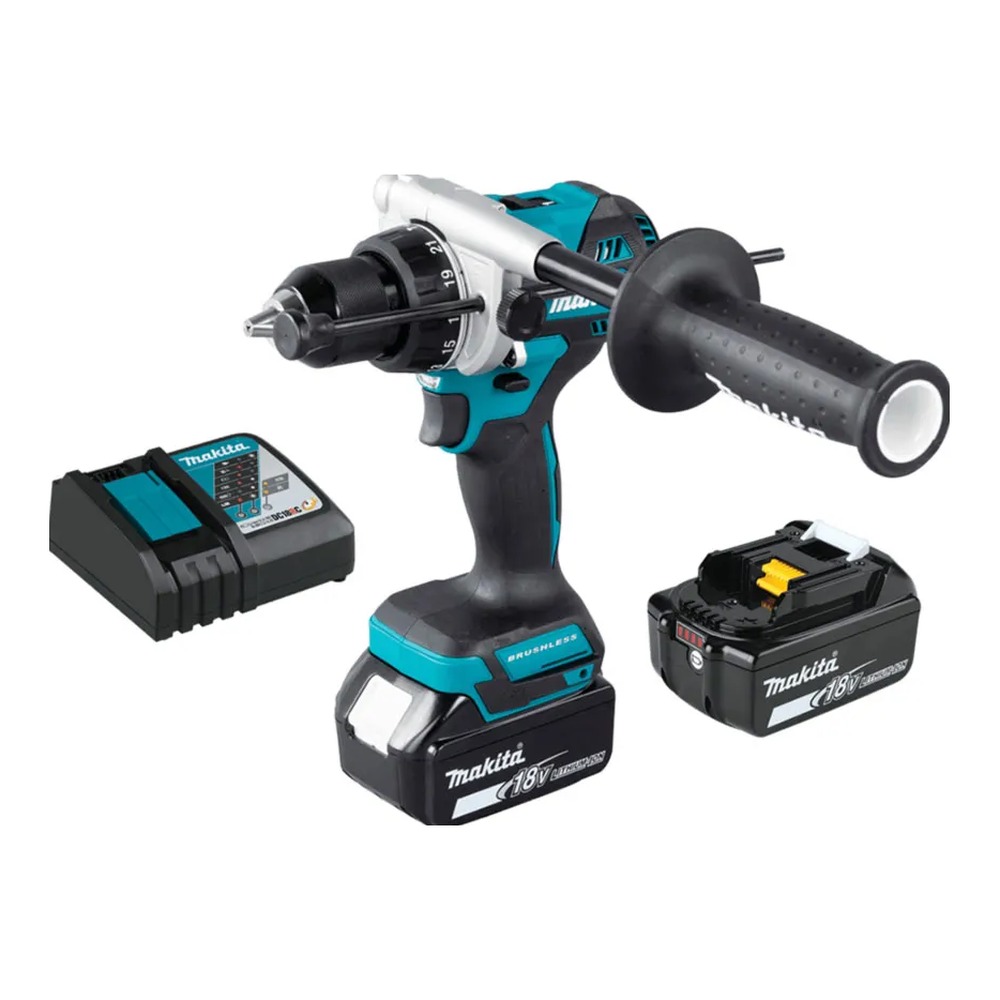
What is the difference between SDS-Plus and SDS-Max, and which do I need?
SDS-Plus is lighter and typically drills from about 4 to 26 mm, which suits anchors, fixings, pipes, and cable runs in concrete and block. SDS-Max is much heavier with thicker bits and is chosen for large holes, chiseling, openings, and continuous site work. An SDS-Max bit does not fit an SDS-Plus tool or the reverse, because the shanks differ. For most tradesman and household work, SDS-Plus is enough.
How much do the three types cost in Almadah's catalog?
| Type | Price range (SAR) | Median (SAR) |
| Standard corded electric drill (6.5 to 13 mm) | 101.20 to 859.00 | 193.38 |
| Hammer (impact) drill, 10 to 16 mm | 140.30 to 898.15 | 274.00 |
| SDS machines (rotary hammer and demolition, corded and cordless) | 115.00 to 4,251.00 | 859.50 |
Prices include 15% VAT, from Almadah's catalog on 12/11/2026, for published, approved, in-stock items only and after any active discount. Accessories, bits, spare parts, drill presses, and pneumatic drills are excluded. Use the median, not the average, because SDS-Max and heavy cordless units pull the top end far upward. Prices change with suppliers and discounts, and we do not promise a fixed price.
The median gap between a hammer drill and an SDS machine is about three times, the price of the air piston and of durability in concrete. If your job is holes in wood and metal, there is no reason to pay it.
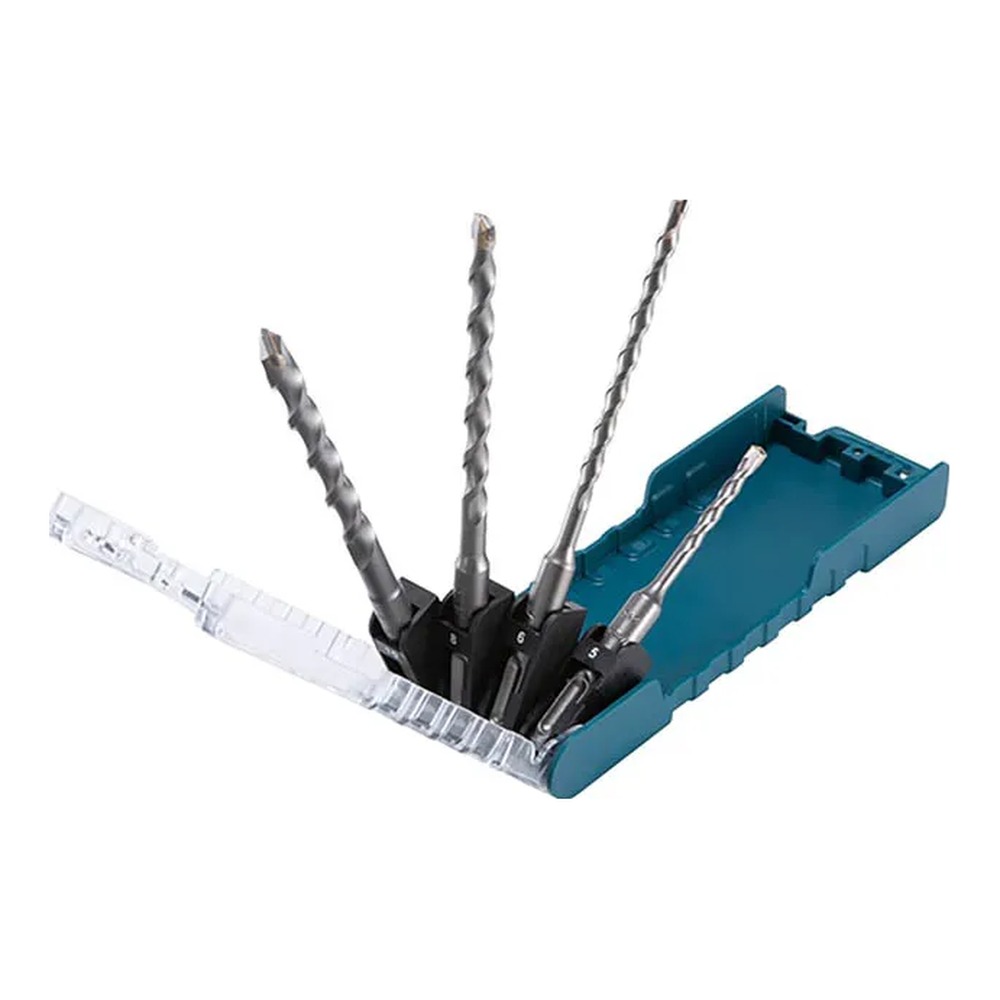
How do I choose and protect the bit in concrete walls?
- Match the chuck system: straight shank for a hammer drill, SDS-Plus or SDS-Max for an SDS drill.
- Choose a carbide tip for block and concrete, and preferably four cutters for reinforced concrete.
- Do not push hard: let the hammering do the work, because excess pressure overheats the bit and breaks the tip.
- When you hit rebar (progress stops and the sound changes), do not force the bit; move the hole slightly.
- Withdraw the bit now and then to clear dust, and wear goggles and a dust mask, because concrete dust harms the lungs.
The catalog carries SDS-Plus bit sets starting around SAR 30 for a small set, for example the Makita set at SAR 32.20 on 12/11/2026.
Which brands are available in drills, SDS machines, and bits?
Makita leads this area in range, followed by DeWalt, Hyundai, Osco, and Stony, with Hikoki and Winkko also present, and Bosch drills and SDS machines. The ranking reflects range availability in the catalog on 12/11/2026, not quality.
Which drills have actually been ordered from the store?
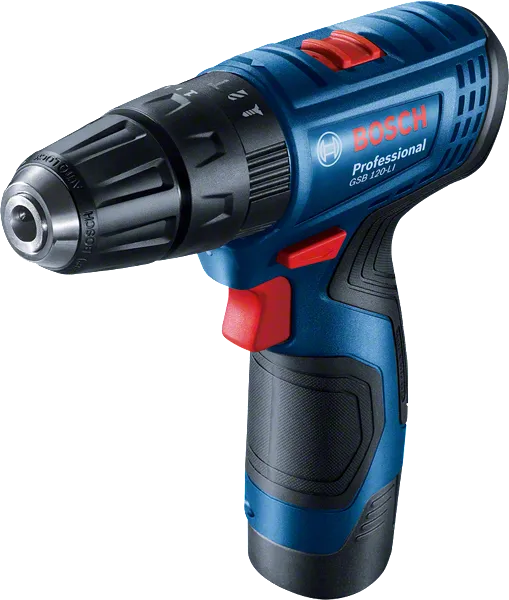
Order history in this area is limited, so we do not claim "best seller" in a broad sense. Most ordered through 12/11/2026: the Bosch GSB120-LI cordless drill (quantity 4), then the Makita cordless screwdriver drill DTD172RTJ (quantity 3), then the Makita cordless hammer drill DHP486RFJ (quantity 1). Many workshop and contractor purchases are placed by direct request rather than through the cart, so this is a partial indicator only.
FAQ
Do I need an SDS drill to drill a block wall?
For hollow block, a hammer (impact) drill with a carbide masonry bit is enough. For solid block and concrete, SDS-Plus is the better fit, especially for many holes.
Can a standard drill drill concrete?
Not recommended: it is very slow, overheats, and ruins the bit. Use a hammer drill for light block and SDS for concrete.
What is the difference between a hammer (impact) drill and an SDS drill?
A hammer drill hammers mechanically with a light blow and uses a straight-shank bit. An SDS drill hammers with an air piston and a much stronger blow, and uses an SDS bit with a special fitting, so it suits concrete and reinforced concrete.
What is the difference between SDS-Plus and SDS-Max?
SDS-Plus is for medium work (holes from about 4 mm), SDS-Max for heavy work, chiseling, and large holes. The shanks are not interchangeable.
Why do people call an SDS drill a "Hilti"?
Because Hilti is a company that became well known in workshops for this type of tool, so its name became the everyday word for any SDS drill regardless of brand.
What are the median prices of standard, hammer, and SDS drills at Almadah?
On 12/11/2026, VAT included: about SAR 193.38 for standard, SAR 274.00 for hammer drills, and SAR 859.50 for SDS machines.
What should I do if the bit hits rebar?
Do not force the bit; stop, move the hole slightly, and use a four-cutter bit made for reinforced concrete.