AR
 English
 Urdu
 Hindi
 Bengali
 Indonesian
 Filipino
 Nepali
 中文
Socket Drive Sizes 1/4, 3/8 and 1/2 Inch, and Standard vs Impact Sockets
What separates 1/4, 3/8 and 1/2 inch socket drive sizes, when you need an impact socket instead of a standard one, and 6-point vs 12-point. Median and price ranges for single sockets from Almadah's catalogue, VAT-inclusive (13/10/2026).
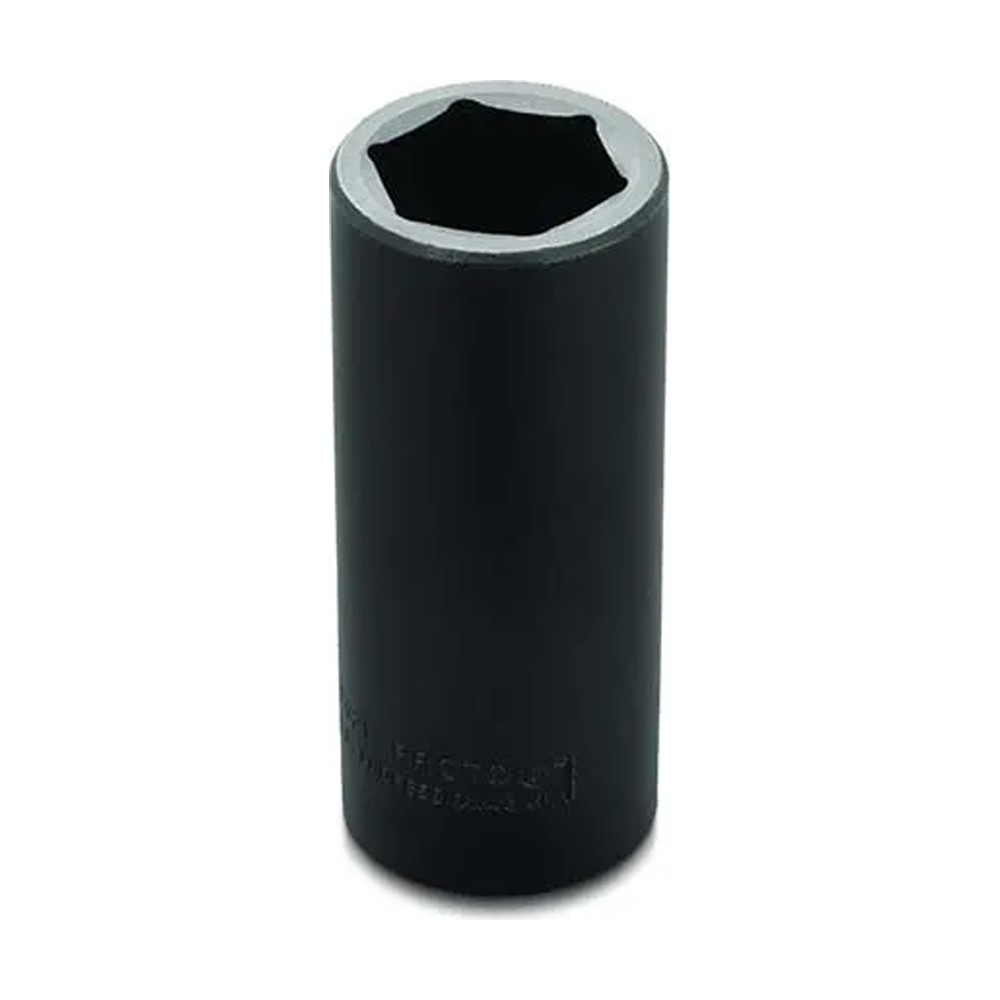
Short answer: The drive size is the square opening that connects a socket to its handle: 1/4 inch for precision work, 3/8 for general use, 1/2 for vehicles and equipment, 3/4 and 1 inch for heavy industry. Impact sockets have thicker walls for impact wrenches; standard sockets are for hand tools. Median single-socket price at Almadah runs SAR 28.40 to SAR 208.67, VAT-inclusive (13/10/2026).
What is the difference between 1/4, 3/8 and 1/2 inch drive sizes?
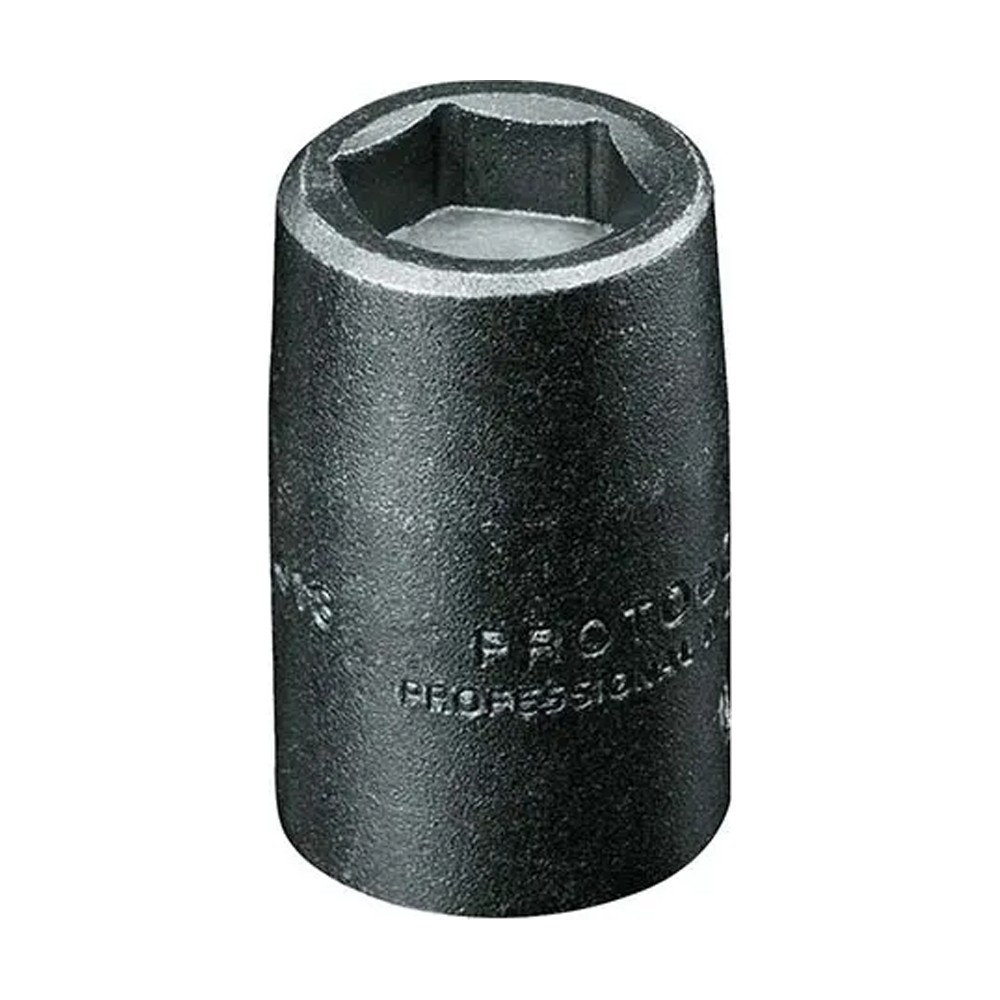
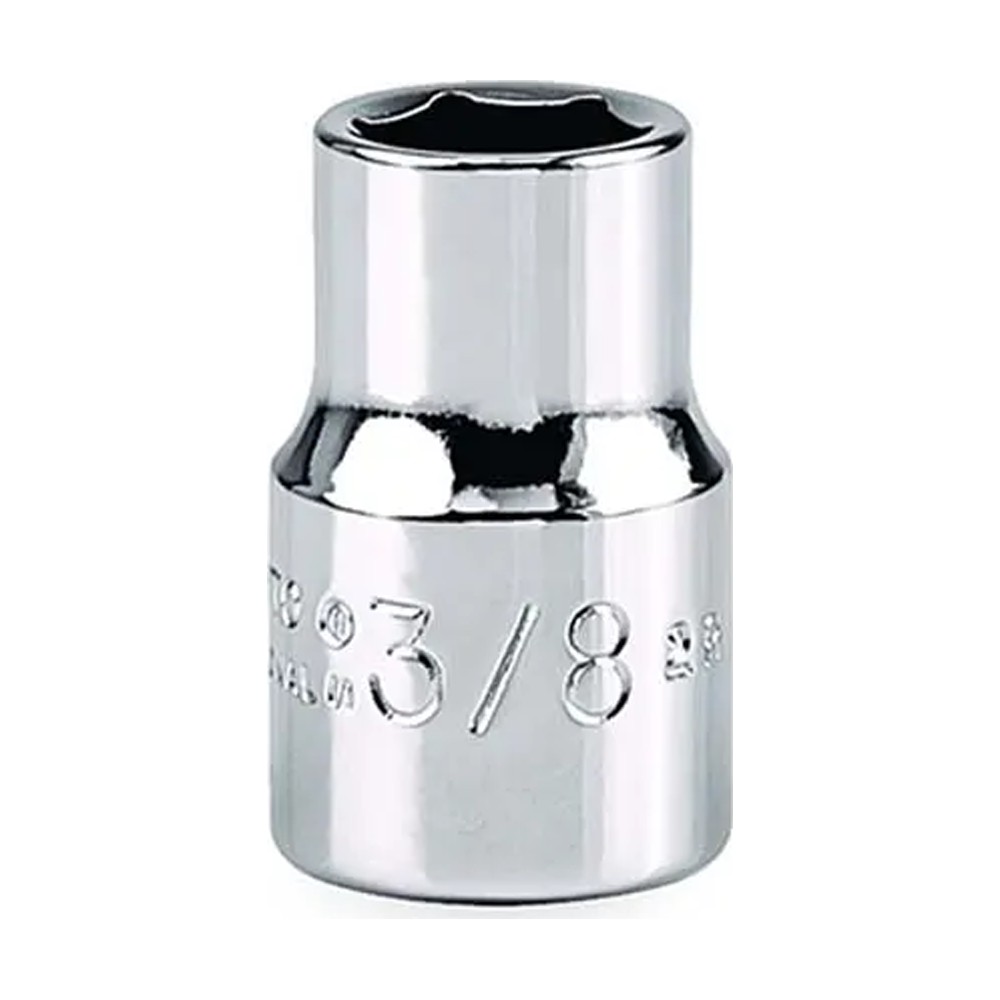
Drive size has nothing to do with the nut size: it is the square that the handle (ratchet or torque wrench) engages. The larger the drive, the more torque it can take and the heavier the tool. A socket must match its handle's drive; adapters let you mix sizes, but the weakest link in the chain sets the torque limit.
| Drive size | Typical use | Median price, single socket | Price range (VAT-inclusive) |
| 1/4 inch | Precision work and small fasteners: appliances, electronics, assembly | SAR 28.40 | SAR 4.37 – 90.68 |
| 3/8 inch | General workshop and light maintenance | SAR 29.50 | SAR 10.92 – 121.27 |
| 1/2 inch | Vehicles, equipment, large fasteners | SAR 63.36 | SAR 28.40 – 7,342.69 |
| 3/4 inch | Heavy equipment and structural steel | SAR 103.79 | SAR 7.65 – 368.17 |
| 1 inch | Heavy industry, plants, large machinery | SAR 208.67 | SAR 83.03 – 2,730.16 |
Figures are from Almadah's catalogue as of 13/10/2026: single sockets only (sets excluded), grouped by the drive size stated in the product listing, VAT-inclusive at 15%. We deliberately publish no torque figures: ratings differ by manufacturer and steel grade, so check the rated torque on the product's own datasheet.
When should I choose 1/2 inch over 3/8 inch?
Choose 1/2 inch when the fastener is large or tightened to a high torque, such as wheel nuts and equipment joints, and when you need a longer handle for leverage. Choose 3/8 inch for tight spaces or when you want a lighter tool for varied jobs. If you buy only one set, 3/8 inch covers the widest range of general maintenance, and its median price is close to 1/4 inch (SAR 29.50 vs SAR 28.40) while 1/2 inch rises to SAR 63.36.
What is the difference between a standard socket and an impact socket?
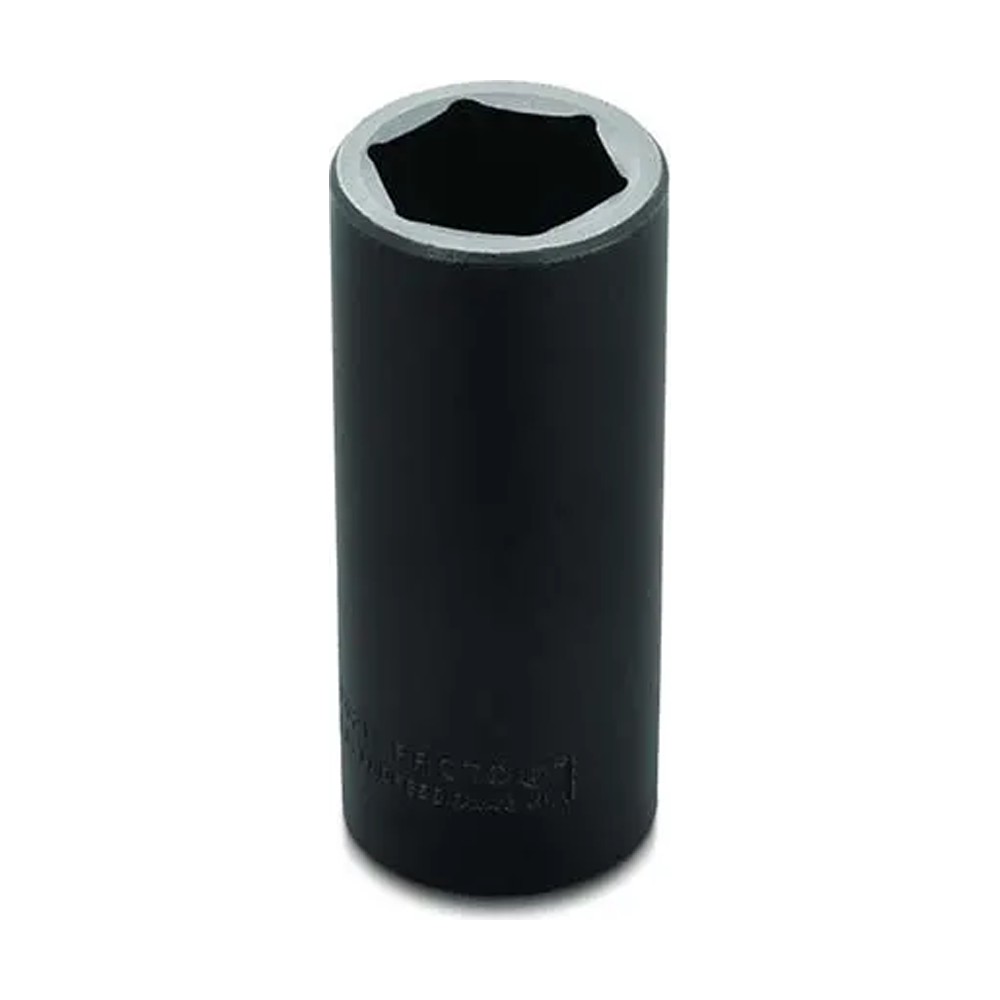
A standard (chrome) socket is made for steady hand-driven rotation; its walls are thinner and its steel harder and more likely to crack under shock. An impact socket (often black oxide) has thicker walls and tougher steel that absorbs the repeated blows of an electric or pneumatic impact wrench without breaking.
| Standard socket | Impact socket | |
| Wall | Thinner | Thicker |
| Steel | Harder, less ductile | Tougher, absorbs shock |
| Use with | Hand ratchet and torque wrench | Electric or pneumatic impact wrench |
| Median price at Almadah | SAR 37.14 | SAR 88.49 |
The rule of thumb: an impact socket works by hand too, but a standard socket should never go on an impact wrench.
What is the difference between a 6-point and a 12-point socket?
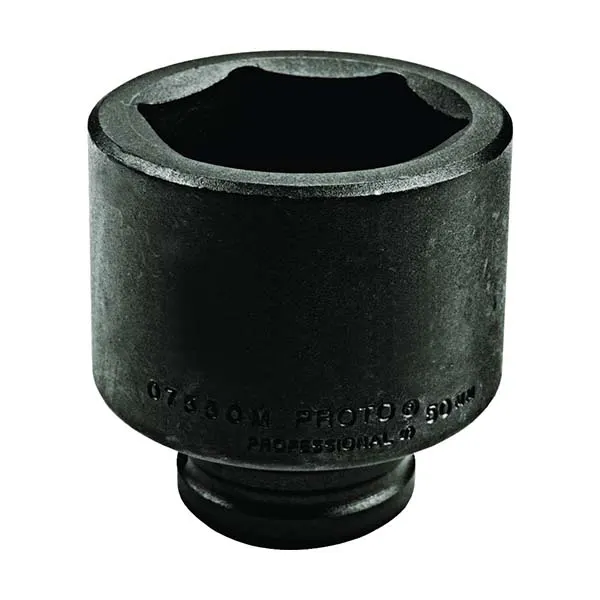
A 6-point socket grips the flat sides of the nut, so it holds harder and rounds corners less, making it the better choice for tight or worn fasteners and high tightening torque. A 12-point socket slips onto the nut from more angles, which helps in cramped spots where you cannot reposition the handle much, but it grips less firmly. Catalogue medians are SAR 77.57 for 6-point and SAR 57.90 for 12-point (13/10/2026); that does not make one better in general, since price follows size and type.
How do I choose the right socket set for my workshop or site?
- Identify the fasteners: small, delicate ones point to 1/4 inch; vehicles and equipment point to 1/2 inch.
- Identify the handle: for hand use, standard sockets are enough; if you will use an impact wrench, buy impact sockets only.
- Pick 6-point for high torque and 12-point for tight spaces.
- Compare deep and standard length: deep sockets reach recessed bolts.
- Check the fastener size in millimetres or inches before buying; the two systems do not interchange.
Proto is the most prominent socket brand in the catalogue, alongside Ridgid, Stony, Makita, Stanley, Westward and SATA. Browse wrenches and sockets at Almadah.
FAQ
What does drive size mean for sockets?
It is the size of the square opening connecting the socket to the handle. It sets the maximum torque the set can take and is independent of the nut size.
What is the difference between 1/4, 3/8 and 1/2 inch?
1/4 inch is for precision work, 3/8 for general use, and 1/2 for vehicles, equipment and large fasteners. The larger the drive, the more torque it can handle.
Can I use a standard socket on an impact wrench?
No. A standard socket can crack or shatter under impact; use an impact socket with an impact wrench.
Can I use an impact socket by hand?
Yes, it works with a hand ratchet and an impact wrench alike, but it costs more in the catalogue (median SAR 88.49 vs SAR 37.14 for standard).
Which is better, 6-point or 12-point?
6-point holds tight or worn nuts better; 12-point is easier in cramped spaces where you cannot reposition the handle.
How much does a socket cost at Almadah?
Median single-socket price runs from SAR 28.40 for 1/4 inch to SAR 208.67 for 1 inch, VAT-inclusive, as of 13/10/2026.