AR
AR
 English
 Urdu
Urdu
 Hindi
Hindi
 Bengali
 Indonesian
 Filipino
 Nepali
 中文
中文
The Complete Guide to Electrical Wires and Cables in Saudi Arabia: Sizes, Types, and Heat-Derated Load
Complete guide to electrical wires and cables in Saudi Arabia: wire vs. cable, common NYA sizes, the three catalog branches, and price ranges from Almadah's catalog (thousands of products, VAT-inclusive, Sep 28, 2026).
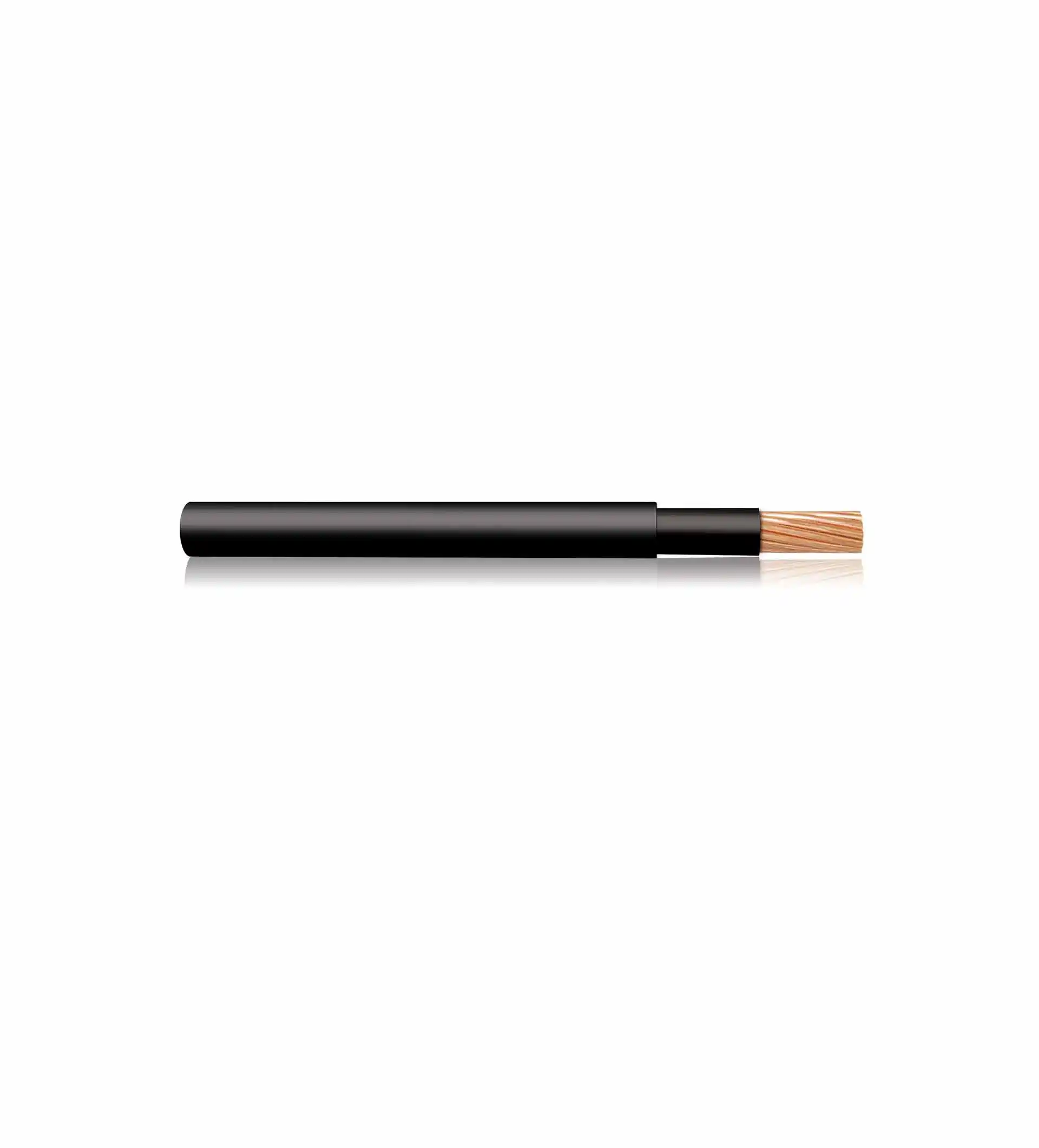
Direct answer: A wire is a single insulated copper conductor run inside wall conduit for lighting and sockets. A cable bundles multiple conductors under an outer sheath to carry higher current between panels or underground. Almadah's catalog carries thousands of products here across three branches — wiring wires, power and control cables, and cable accessories — led by Bahra and Raychem RPG.
What are the three branches of the wires and cables category?
| Branch | What it is | Products in Almadah's catalog | Used for |
| Internal Wiring Wires | Single-core copper wires (one conductor, one insulation layer), led by Bahra's British-standard NYA, from 1 mm² up | Thousands | Running lighting and socket circuits inside wall conduit |
| Power & Control Cables | Multi-core power cables (XLPE and others) between panels, plus control and data cables (Belden) | Hundreds | Feeding main and sub-boards, and control/communication systems |
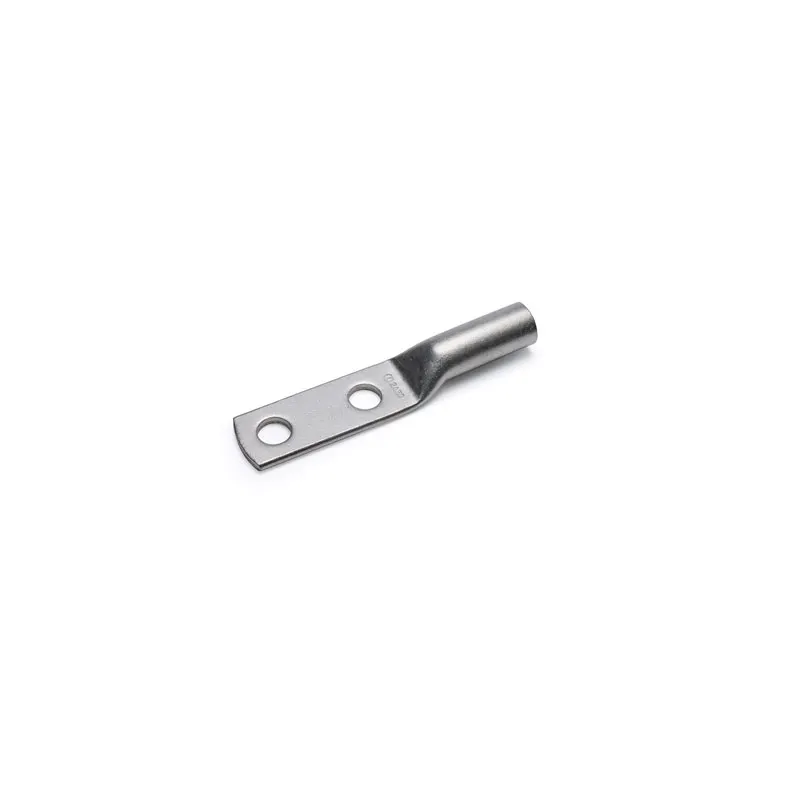
| Cable Accessories | Cable lugs, glands, fork and ring terminals, self-fusing insulation tape | Thousands | Safely terminating and joining the ends of any wire or cable |
Figures from Almadah's Wires & Cables category, dated Sep 28, 2026 — thousands of products total, fully distributed across the three branches with no leftover items filed directly under the parent category.
What's the actual difference between a wire and a cable?
A wire is a single copper conductor with just one insulation layer, and it's always run inside protective conduit — never exposed. A cable bundles one or more conductors inside an additional outer sheath, and can be buried directly in the ground or run on cable trays without conduit. In practice: wiring inside a home's walls uses single wires, while feeding a main board from the meter, or linking two panels, uses a cable.
What are the most common wire sizes for residential wiring?
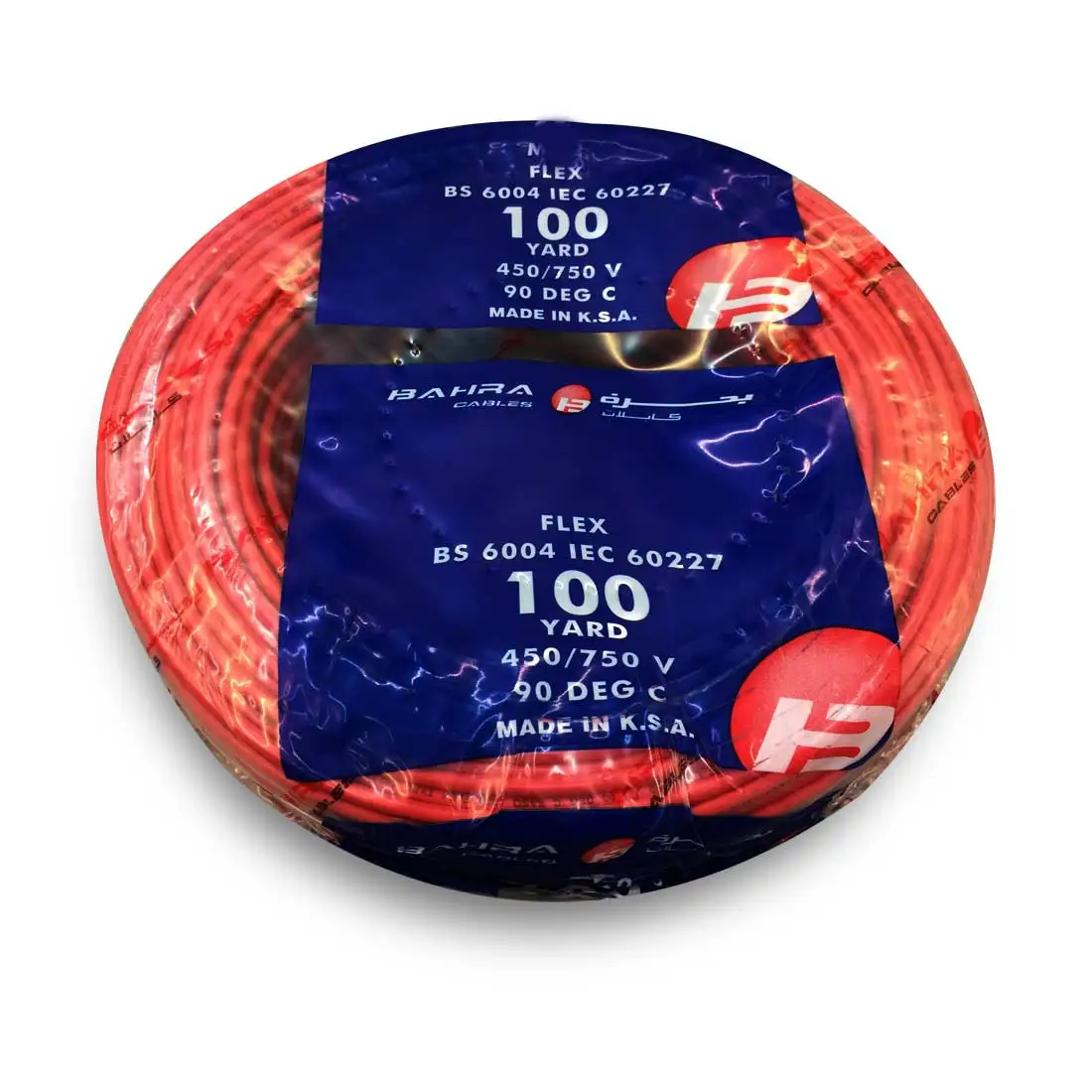
1, 1.5, 2.5, 4, 6, and 10 mm² are the most common sizes for home wiring, and each size has a maximum amp rating that determines which circuit it suits (lighting, standard sockets, AC, water heater). A full table matching each size to its amp rating, circuit type, and matching breaker is coming in a dedicated how-to article in this cluster.
Why does insulation type matter: NYA vs. NYM vs. XLPE?
NYA is PVC insulation rated for 70°C operating temperature, the most common choice for dry residential wiring inside conduit. XLPE is cross-linked polymer insulation that handles a higher operating temperature (90°C) and is used in medium- and high-capacity power cables. The practical differences between the three types, and when to choose each, are covered in a dedicated comparison article in this cluster.
How does Saudi summer heat affect wire load capacity?
International load tables assume a 30°C ambient temperature, while conduit exposed to direct sun in Riyadh and Jeddah can exceed 45–50°C in summer. That means wires practically need a derating factor rather than relying on the international table as-is. Correction factors and a worked example for each size are coming in a dedicated article in this cluster.
What are the standard wire colors for electrical work in Saudi Arabia?
The modern coding adopted under the Saudi electrical code is brown for live, blue for neutral, and yellow/green for earth, while red and black still appear in older wiring that hasn't been updated. A full table of old vs. new colors, and how to handle a mixed old-and-new installation, is coming in a dedicated article in this cluster.
Copper or aluminum for cables?
Copper is the primary conductor in Almadah's catalog, with lower resistance per size, while aluminum is sometimes accepted in large feeder cables for its lighter weight and lower cost at a larger size that offsets the resistance difference. A size-equivalence table between copper and aluminum, and when each is acceptable, is coming in a dedicated comparison article in this cluster.
What brand lines and price ranges are available?
Bahra leads the catalog with the largest share of products in this category (split between residential wires and power cables), followed by Raychem RPG, specialized in cable lugs and connectors, then Belden for control and data cables, and Legrand and 3M for cable accessories.
Price range across the whole category (VAT-inclusive at 15%, dated Sep 28, 2026):
- Cheapest item: SAR 0.13 (a clear plastic cable tie from Legrand, 2.4×95 mm)
- Median price: SAR 19.70 — the most representative figure for what a typical item in this category actually costs (a small wire or accessory)
- Arithmetic average: SAR 460.81 (skewed upward by large cable reels and pulling tools)
- Highest: SAR 43,948
Data-quality note: the highest price in this category (SAR 43,948) is a Greenlee cable-pulling winch set, filed under internal wiring wires even though it's a pulling tool, not a wire — alongside a few other unrelated items (pulling ropes, and a single American-style door) also miscategorized here. Their categorization was not corrected in this article (out of scope). The highest price for an actual cable in this category is a specialized Belden RG-8 coax cable at SAR 12,420.
Why the median, not the average: pulling tools and large cable reels (bulk sizes or full-drum lengths) run into the thousands of riyals and pull the arithmetic average to over 23 times the median. Half of the products in this category actually cost less than SAR 19.70, since most of the branch is small wires and accessories sold by the meter or the piece.
What are the genuine best sellers in this category?
The actual order history in this category is still limited relative to the size of the catalog, and every one of the small number of products with recorded orders so far is from Bahra: flexible and standard NYA wires at 1 and 1.5 mm sizes, XLPE copper cables in several sizes, and an unarmored low-voltage cable. This doesn't mean other products aren't actually selling — a lot of contractor purchases happen through direct order rather than the cart — but it's the only signal currently available from order records.
When do I need a cable lug or gland instead of a direct connection?
Any bare copper cable end landing on a panel or device needs a hydraulically-crimped or soldered lug rather than being wound on directly, to avoid overheating and a loosening connection over time. A gland keeps moisture and dust out at the point where the cable enters the enclosure. Choosing the right lug and gland size for a given cable size, and the difference between hydraulic crimping and soldering, are covered in a dedicated how-to article in this cluster.
Frequently asked questions
What's the difference between an electrical wire and an electrical cable?
A wire is a single copper conductor with only one layer of insulation, run inside protective conduit. A cable bundles one or more conductors inside an additional outer sheath and can be buried directly or run without conduit.
What are the three branches of the wires and cables category at Almadah?
Internal wiring wires for home wiring inside conduit, power and control cables for feeding panels and control/data systems, and cable accessories for safely terminating and joining ends.
What's the most common wire size for residential wiring?
1.5, 2.5, and 4 mm² are the most common for lighting and socket circuits, while AC and water heater circuits need larger sizes depending on the appliance's load.
What's the difference between NYA and XLPE insulation?
NYA is PVC insulation rated for 70°C, common in dry residential wiring. XLPE is cross-linked polymer insulation that handles a higher temperature (90°C) and is used in larger power cables.
What are the standard electrical wire colors in Saudi Arabia?
Brown for live, blue for neutral, and yellow/green for earth is the modern adopted coding, while red and black still appear in older wiring that hasn't been updated.
Is copper better than aluminum for cables?
Copper has lower resistance per size and is the primary conductor in the catalog, while aluminum is sometimes accepted in large feeder cables for its lighter weight and lower cost at a larger size.
What's the price range for wires and cables in Almadah's catalog?
From SAR 0.13 for a small cable tie to tens of thousands of riyals for large cable reels, with a median of SAR 19.70 reflecting a typical item's actual cost, VAT-inclusive, dated Sep 28, 2026.
Which brands are available in Almadah's catalog for this category?
Bahra leads with the largest share of products, followed by Raychem RPG, Belden, Legrand, and 3M.
When do I need a cable lug instead of a direct connection?
When landing any bare copper cable end on a panel or device, to avoid the overheating and loosening connection that happens when the end is simply wound on without crimping or soldering.
Related links
- Full Wires & Cables category — thousands of products
- Internal Wiring Wires — thousands of products · Power & Control Cables — hundreds of products · Cable Accessories — thousands of products