AR
 English
 Urdu
 Hindi
 Bengali
 Indonesian
 Filipino
 Nepali
 中文
The Complete Guide to Thermal and Moisture Insulation Under Saudi Building Code SBC 602: Materials, Values, and Installation
Complete guide to thermal and moisture insulation in Saudi Arabia under SBC 602: the difference between the two, the three catalog branches, and price ranges from Almadah's catalog (hundreds of products, VAT-inclusive, Oct 1, 2026).
Direct answer: Thermal insulation and moisture (waterproofing) insulation protect a building from heat transfer and water intrusion respectively, and Saudi Building Code SBC 602 sets the required thermal insulation value (R or U) by climate zone rather than mandating a specific material. Almadah's catalog splits this category into three branches — waterproofing (rolls and liquids), thermal insulation, and joint and concrete treatments — with hundreds of products from Sika, Bitumat, Isomax, and Saudi Rockwool, VAT-inclusive.
What are the three branches of the insulation and building protection category?
| Branch | What it is | Products in Almadah's catalog | Used for |
| Waterproofing (rolls and liquids) | Bitumen membrane rolls (typically 4 mm), acrylic liquids and bituminous coatings, cementitious waterproofing, and asphalt primer | Hundreds | Roofs, foundations, bathrooms, and underground tanks |
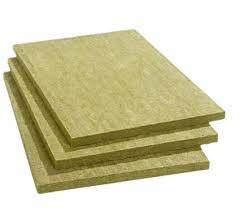
| Thermal insulation | Rock wool and glass wool boards, pipe and duct insulation (FRK), and geotextile protection layers | Hundreds | Roofs, walls, and AC piping, to reduce heat transfer |
| Joint and concrete treatments | PVC waterstop strips, epoxy pore-sealing compounds, and crack-repair materials | Tens | Expansion joints and repairing cracked concrete surfaces |
Figures from Almadah's Insulation & Building Protection category, dated Oct 1, 2026 — mostly distributed across the three branches, with a small number (tens) of products filed directly under the parent category without a specific branch.
What's the actual difference between thermal and moisture insulation?
Thermal insulation slows heat transfer between the inside and outside of a building (in both summer and winter), reducing the AC and heating load, and is usually a lightweight porous material like rock wool or foam. Moisture (waterproofing) insulation blocks water and damp from roofs, foundations, and bathrooms from reaching the building structure, and is usually a continuous, joint-free layer like bitumen rolls or acrylic liquids. A well-built structure needs both, typically in a layered order: waterproofing first over the concrete surface, then thermal insulation on top.
What does Saudi Building Code SBC 602 require for thermal insulation?
The Saudi building code sets a required thermal insulation value (thermal resistance R, or heat transfer coefficient U) for roofs and walls, and the required value differs by climate zone — a hot, humid coastal zone like Jeddah differs from a hot, dry continental zone like Riyadh. The code mandates the value, not a specific insulation material, so it can be met with rock wool, foam, or another material as long as the required thickness is reached. The full table of values for every Saudi climate zone is coming in a dedicated article in this cluster.
What are the most commonly used thermal insulation materials in Saudi Arabia?
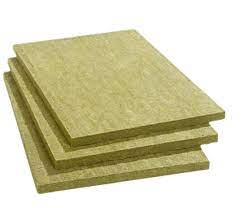
Rock wool is the most common choice for roofs and walls for its combined heat and fire resistance, with glass wool as a lighter, cheaper alternative for the same purpose. Foam (PU) is sprayed or applied as boards for roof and warehouse insulation, and polystyrene (XPS/EPS) is used under tile and flooring. Pipe and duct insulation (FRK) is a specialized type for AC and heating lines. A full price-and-performance comparison between rock wool, foam, and polystyrene is coming in a dedicated comparison article in this cluster.
What types of waterproofing are available?
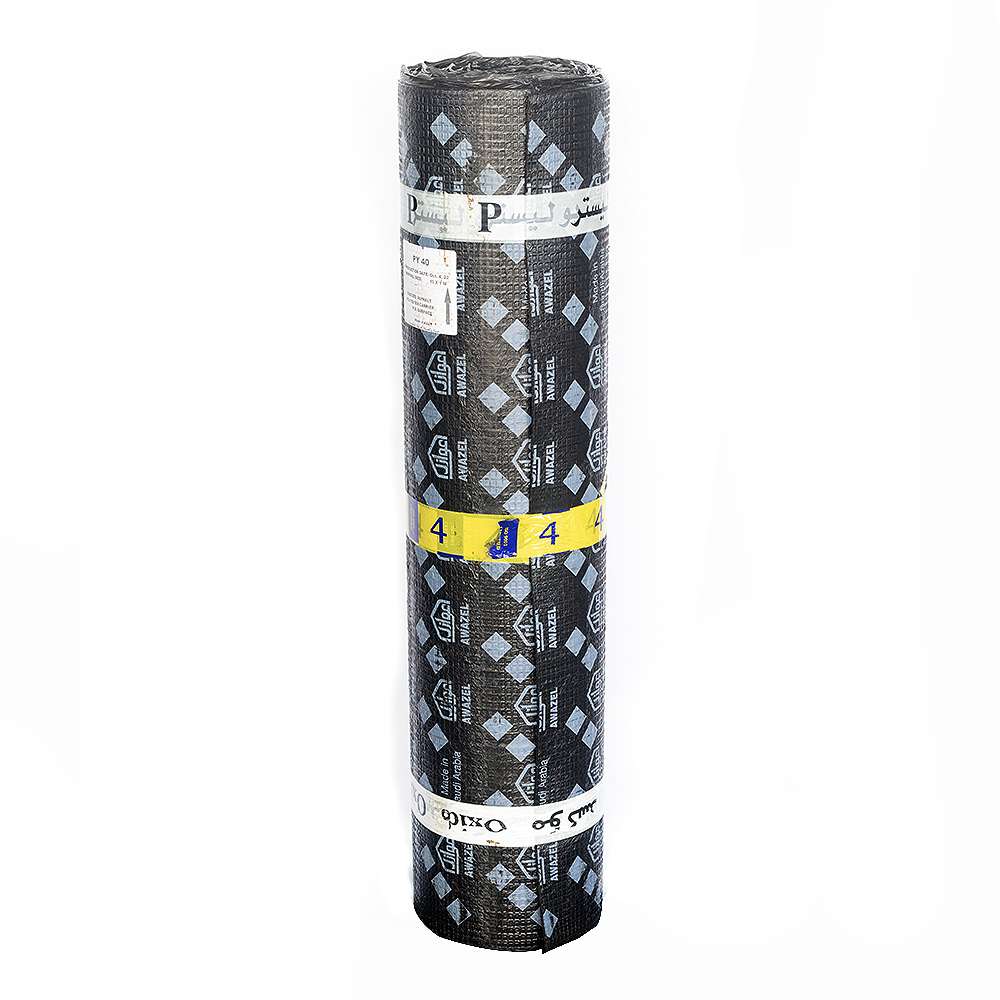
Bitumen rolls (typically 4 mm thick) are the most common choice for building roofs, torch-applied over a primer coat. Acrylic liquids are brush- or roller-applied directly and suit complex surfaces and bathrooms. Cementitious waterproofing is mixed and applied as a rigid coating, suited to underground tanks and foundations. The practical differences between the three for each surface type, and when each is preferred, are covered in a dedicated comparison article in this cluster.
When do I need expansion joints or concrete treatments instead of regular insulation?
Large concrete surfaces expand and contract with the wide temperature swings between a Riyadh summer and winter, so they need expansion joints (waterstop or concrete joint fillers) installed at the time of the pour to absorb that movement without cracking. Existing cracks are treated with epoxy compounds that seal the pores and stop water intrusion before any insulation is applied over them. Why surfaces crack specifically in summer, and how to treat it step by step, is coming in a dedicated article in this cluster.
What brands and price ranges are available for insulation materials in Almadah's catalog?
The catalog is led by AFICO, with the largest number of products, specializing in AC pipe insulation (listed under the brand name "Iveco" in the store's data even though the products themselves clearly state AFICO), followed by Swiss Sika for waterproofing and epoxy products, then Grado, Flex World, Armacell, Saudi Rockwool, Bitumat, Isomax, and Dadco.
Price range by branch (VAT-inclusive at 15%, dated Oct 1, 2026):
- Waterproofing (rolls and liquids): SAR 2.40 to SAR 1,100, median SAR 123.17
- Thermal insulation: SAR 1.55 to SAR 690, median SAR 19.55
- Joint and concrete treatments: SAR 0.30 (the cheapest item in the entire category — a Hedhap Almajd concrete joint filler) to SAR 437, median roughly SAR 37.22
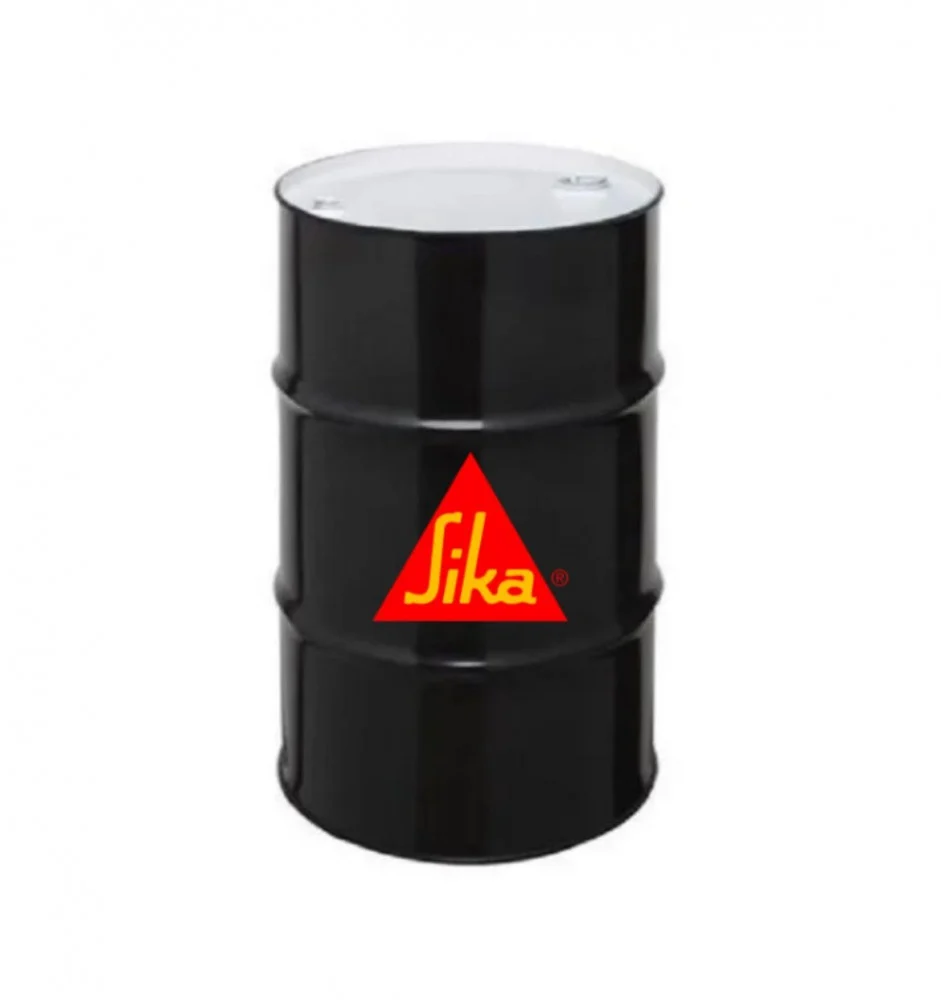
Price range across the whole category: the median price of SAR 34.44 is the most representative figure for a typical item here, while the arithmetic average of SAR 180.22 is skewed upward by large bitumen rolls and insulation boards. The highest price for an actual insulation product is SAR 1,100 (Sika bitumen for foundation and footing waterproofing).
Data-quality note: the highest price actually recorded in this category (SAR 4,755.26) belongs to a gas tank bundled with a water purifier, miscategorized here along with a handful of other unrelated items (roll-up doors, video intercoms, food grinders). Their categorization was not corrected in this article (out of scope), and they were excluded from the price range cited above.
What are the genuine best sellers in this category?
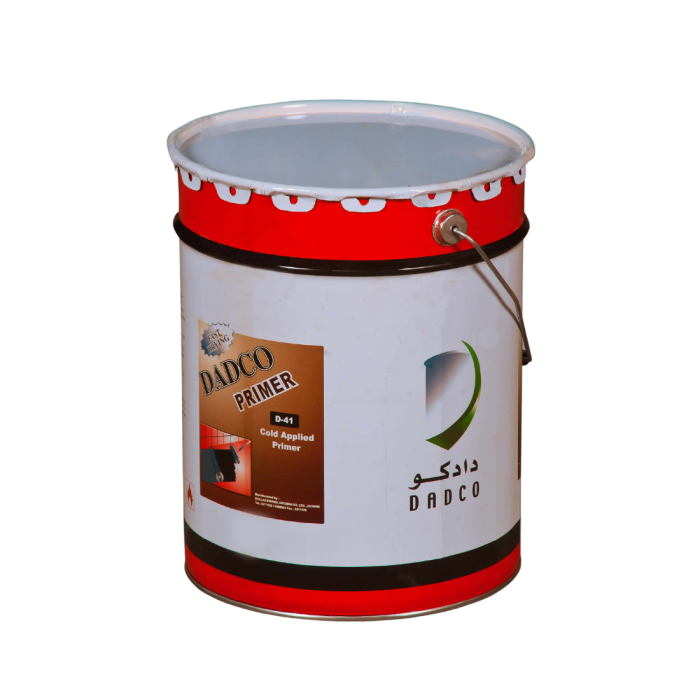
Order history in this category is concentrated clearly in the waterproofing branch: Awazel DS40M bitumen membrane rolls (the top seller), followed by Bitumat Top Seal 160 rolls, then Isomax Via 200, and Dadco D41 asphalt primer. The thermal insulation branch is represented at smaller volumes through Saudi Rockwool boards and Al-Zamil cork boards, while the joint and concrete treatments branch has no product with recorded order history yet — which doesn't mean it isn't actually selling, since a lot of contractor purchases happen through direct order rather than the cart.
Frequently asked questions
What's the difference between thermal and moisture insulation?
Thermal insulation slows heat transfer between the inside and outside of a building and reduces the AC load, while moisture insulation blocks water and damp from reaching the building structure. A well-built structure needs both.
What are the three branches of the insulation and building protection category at Almadah?
Waterproofing (rolls and liquids) for roofs and foundations, thermal insulation for roofs, walls, and piping, and joint and concrete treatments for expansion joints and crack repair.
What does Saudi Building Code SBC 602 require for thermal insulation?
The code sets a required thermal insulation value (R or U) for roofs and walls that differs by climate zone, without mandating a specific insulation material as long as the required value is met.
What are the most commonly used thermal insulation materials?
Rock wool for roofs and walls, glass wool as a lighter alternative, foam (PU) for roofs and warehouses, polystyrene (XPS/EPS) under tile, and specialized FRK insulation for AC piping.
What types of waterproofing are available?
Bitumen rolls for roofs, acrylic liquids for complex surfaces and bathrooms, and cementitious waterproofing for underground tanks and foundations.
When do I need expansion joints or concrete treatments?
On large concrete surfaces exposed to wide temperature swings, to absorb expansion and contraction at the time of the pour, and to treat existing cracks with epoxy compounds before any insulation is applied over them.
What's the price range for insulation materials in Almadah's catalog?
From SAR 0.30 for a small concrete joint filler to SAR 1,100 for a specialized bitumen foundation waterproofing product, with a category-wide median of SAR 34.44, VAT-inclusive, dated Oct 1, 2026.
Which brands are available in Almadah's catalog for this category?
AFICO leads with the largest number of products (AC pipe insulation), followed by Swiss Sika, Grado, Flex World, Armacell, Saudi Rockwool, Bitumat, Isomax, and Dadco.
What are the genuine best sellers in this category?
Awazel DS40M bitumen membrane rolls are the top seller, followed by Bitumat Top Seal 160, Isomax Via 200, and Dadco asphalt primer — all from the waterproofing branch.
Related links
- Full Insulation & Building Protection category — hundreds of products
- Waterproofing (rolls and liquids) — hundreds of products · Thermal insulation — hundreds of products · Joint and concrete treatments — tens of products