AR
 English
 Urdu
 Hindi
 Bengali
 Indonesian
 Filipino
 Nepali
 中文
Required Thermal Insulation Value for Roofs and Walls by Saudi Climate Zone Under SBC 602
Saudi thermal insulation requirements for roofs and walls vary by climate zone under the Saudi Building Code SBC 602, not by a fixed material — and SEC requires an approved insulation certificate before connecting power to a new building. Insulation materials and price ranges from Almadah's catalogue, VAT-inclusive (06/10/2026).
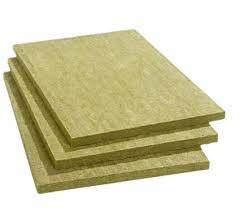
Short answer: The Saudi Building Code SBC 602 sets a minimum thermal insulation performance value for roofs and walls that varies by climate zone — it doesn't mandate a specific material. Coastal, humid Jeddah needs different insulation than continental, dry Riyadh. The Saudi Electricity Company (SEC) requires a thermal insulation certificate before connecting power to a new building. Almadah's catalogue carries rock wool, glass wool, XPS, and FRK in multiple thicknesses and densities, from SAR 1.55 to SAR 690, VAT-inclusive.
What are the three climate zones Saudi building code divides the Kingdom into?
| Zone | Classification basis | Representative cities | Thermal character |
| Zone 1 | Highest annual cooling load | Riyadh, Dammam, Dhahran | Continental, dry heat; large swing between summer and winter |
| Zone 2 | Moderate annual cooling load | Jeddah, Madinah | Coastal, humid heat; high humidity adds load beyond temperature alone |
| Zone 3 | Lowest annual cooling load | Taif, Abha | Mild to relatively cool; least demanding zone for thermal insulation |
The classification runs on annual cooling degree days (CDD) — an engineering measure of how much air conditioning a location needs — not raw geography. That's why a coastal city like Jeddah lands in a different zone than another coastal-adjacent but mountainous city like Abha.
Does the code mandate a specific insulation material, or just a performance value?
The code sets a required thermal performance value (thermal resistance R, or heat transfer coefficient U) for roofs and walls per climate zone, without mandating any specific material. Rock wool, glass wool, foam, or polystyrene can all meet the requirement, as long as each is installed at the thickness and density needed to hit that value. The exact numeric value for each zone is something a licensed engineer or consulting office confirms from the project's drawings — we're deliberately not publishing a numeric table here, because the secondary engineering sources we checked disagree with each other on the precise figures, and we chose not to publish an unverified number.
Why does the Saudi Electricity Company require a thermal insulation certificate to connect power to a new building?
SEC approval of a building's thermal insulation has become a condition tied to the building permit for new construction, aimed at reducing energy consumption and cooling load on the grid. The certificate confirms insulation was actually installed, that it matches the approved drawings, and that the materials used are approved — and a delayed certificate can hold up the initial power connection or a later request to raise the load. In practice, that makes the insulation choice a design-and-permitting decision, not an afterthought once the roof is poured.
What's the practical difference between insulating a building in Jeddah versus Riyadh?
Riyadh (continental, dry zone) deals with a large temperature swing between scorching summer days and relatively cool winter nights, so projects there tend toward thicker, denser insulation — especially on the roof, which absorbs the most direct solar heat. Jeddah (coastal, humid zone) adds a second challenge on top of heat: high humidity raises the risk of condensation forming inside the insulation layers if a vapor barrier isn't installed correctly, so projects there tend toward more moisture-tolerant insulation (like extruded polystyrene, XPS) along with proper ventilation behind the insulation layer. Abha (mild zone) needs the least thickness of the three zones, but it isn't exempt from the requirement.

What thermal insulation materials, in what thicknesses and densities, does Almadah's catalogue carry?
| Material | Thicknesses/densities in the catalogue | Example price, VAT-inclusive | Best fit |
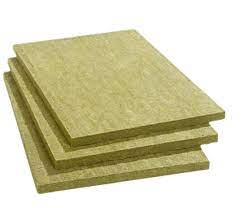
| Rock wool | 5cm and 7cm, density 70–100 | SAR 28.75–34.50/board | Roofs and walls in any zone; highest fire resistance |
| Glass wool | 25mm and 50mm | SAR 83.32–149.73/roll | Interior walls and suspended ceilings; lighter and cheaper |
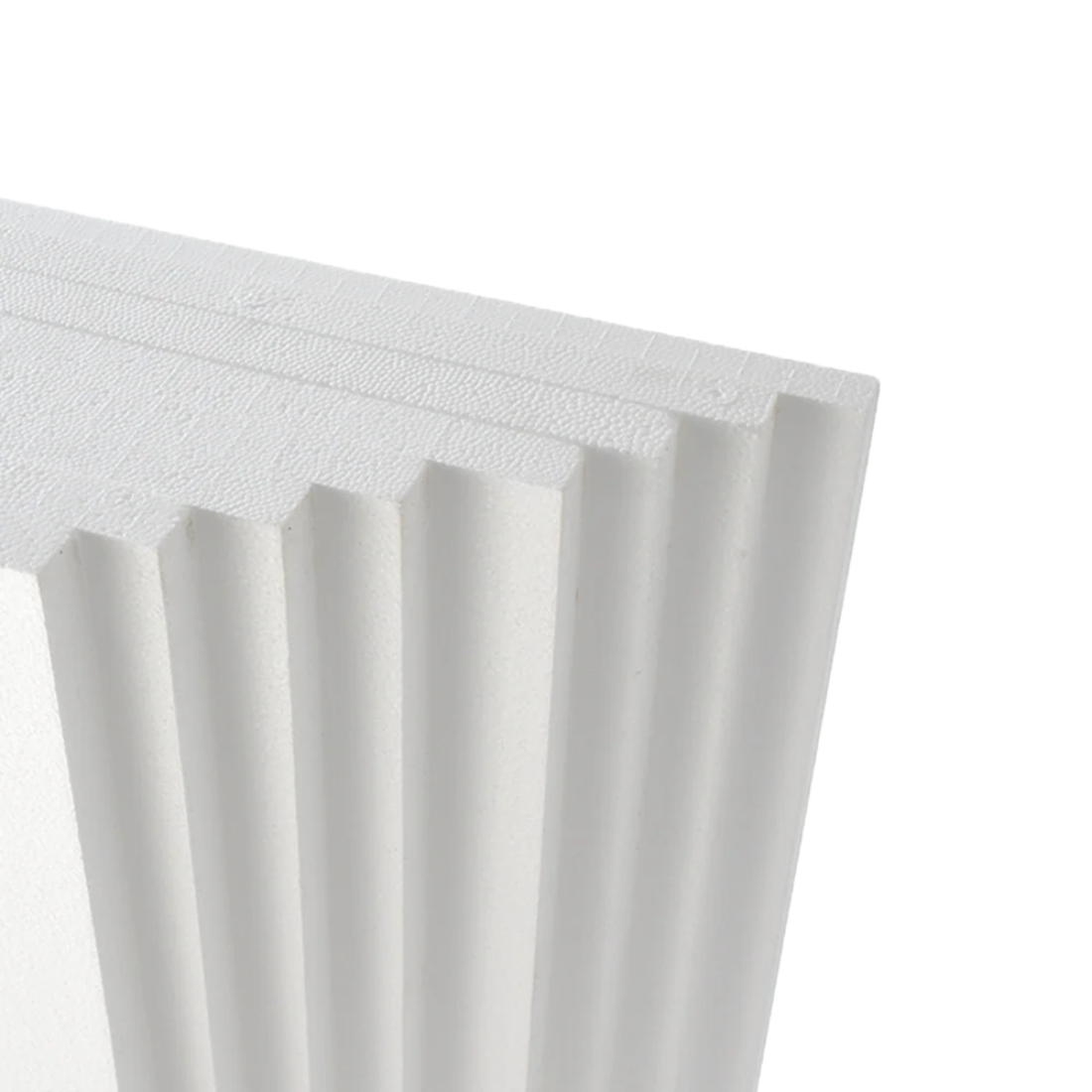
| Extruded polystyrene (XPS) | 100mm | SAR 42.26/board | Roofs and walls under tile; higher moisture resistance — fits Jeddah's coastal climate especially |
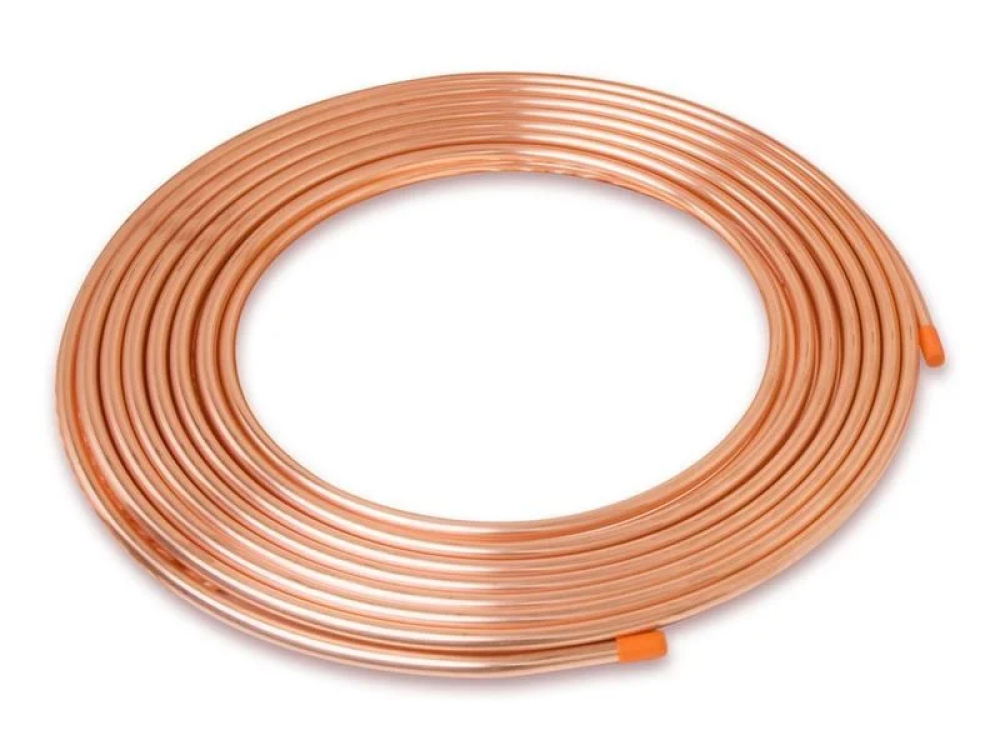
| FRK duct insulation | Density 24–64 kg/m³, 1–2 inch thickness | SAR 37.95–166.75 | AC ducts and pipes, to keep the insulation continuous around penetration points |
Keeping insulation continuous, without gaps around openings and pipe penetrations, is a fixed engineering principle for any good thermal insulation job, regardless of climate zone — a small gap around a pipe or an electrical fixture is enough to leak away a large share of the benefit the surrounding insulation provides.
Who carries the most thermal insulation products in Almadah's catalogue, and what's the price range?
AFICO leads this branch with the largest product count, specializing in AC pipe and duct insulation (recorded as "Iveco" in the store's brand data, even though the actual products are branded AFICO), followed closely by Armacell and Flex World, then Saudi Rockwool. Smaller-presence brands include Aeroflex, Kimmco, World Flex, Arma Flex, and Kanuf.
Price range across the entire thermal insulation branch (VAT-inclusive, as of 06/10/2026): from SAR 1.55 to SAR 690, median SAR 19.55 — the most telling figure for an ordinary insulation item in this branch (the arithmetic mean of SAR 37.38 is pulled up by large boards and rolls).
Order history in this branch is still relatively limited next to the catalogue's size. What actually repeats most is foam (styrofoam) boards for concrete slab roofs, followed by Saudi Rockwool 60x120cm boards — which doesn't mean the rest doesn't sell; a lot of contractor insulation purchases happen through direct orders rather than the cart.
Frequently asked questions
What are the three climate zones Saudi building code divides the Kingdom into?
A continental, dry hot zone (Riyadh and Dammam), a coastal, humid hot zone (Jeddah and Madinah), and a mild zone (Taif and Abha) — classified by each zone's annual cooling load, not geography alone.
Does the code mandate a specific insulation material?
No. The code sets a required thermal performance value for roofs and walls that varies by zone, achievable with any insulation material installed at the right thickness and density for it.
Why does SEC require a thermal insulation certificate?
Because insulation approval is now tied to the building permit for energy conservation, and a delayed certificate can hold up power connection to a new building.
What's the practical difference between insulating Jeddah versus Riyadh?
Riyadh needs thicker insulation to handle a large swing between summer and winter heat, while Jeddah needs insulation that tolerates high humidity, with proper ventilation to prevent condensation inside it.
What thermal insulation materials does Almadah's catalogue carry?
Rock wool and glass wool in multiple thicknesses, extruded polystyrene (XPS), and FRK insulation built for AC pipes and ducts.
How much do thermal insulation materials cost in Almadah's catalogue?
From SAR 1.55 to SAR 690, VAT-inclusive, with a SAR 19.55 median across the entire branch as of 06/10/2026.
Which brands carry the most products in the thermal insulation branch?
AFICO leads with the largest product count (pipe and duct insulation), followed by Armacell and Flex World, then Saudi Rockwool.
What thermal insulation materials sell most often?
Foam boards for concrete slab roofs sell most often, followed by Saudi Rockwool 60x120cm boards — though order history in this branch is still relatively limited.